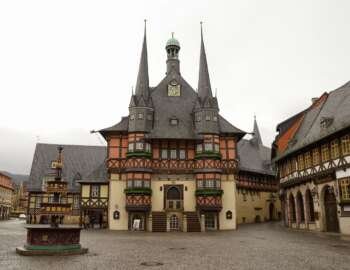
Talat Noi neighbourhood in Bangkok offers a blend of cultural heritage, artistic inspiration, and authentic Thai-Chinese community life. Set in the bustling Yaowarat area, Talat Noi has preserved its unique charm despite Bangkok’s modernization.
Talat Noi is one of my favourite areas in Bangkok, where I regularly go to stroll around, enjoy art and do some street photography. As well as some great coffee haunts and local food places, this is a must-see area, an easy 5- 10 minute walk from the main Chinatown area of Bangkok.
Things to Do in Talat Noi
This guide takes a look at the area’s history, main attractions, hidden gems, food options, small local shopping places, and travel tips, giving a good idea for visitors looking to immerse themselves in one of Bangkok’s most intriguing neighbourhoods.
History and Overview of Talat Noi
Talat Noi translates to “small market” and is one of Bangkok’s oldest communities. Established over two centuries ago, it became home to Chinese immigrants. Many Talat Noi residents are now the third or fourth generation of these settlers, preserving the traditions, language, and cultural practices.
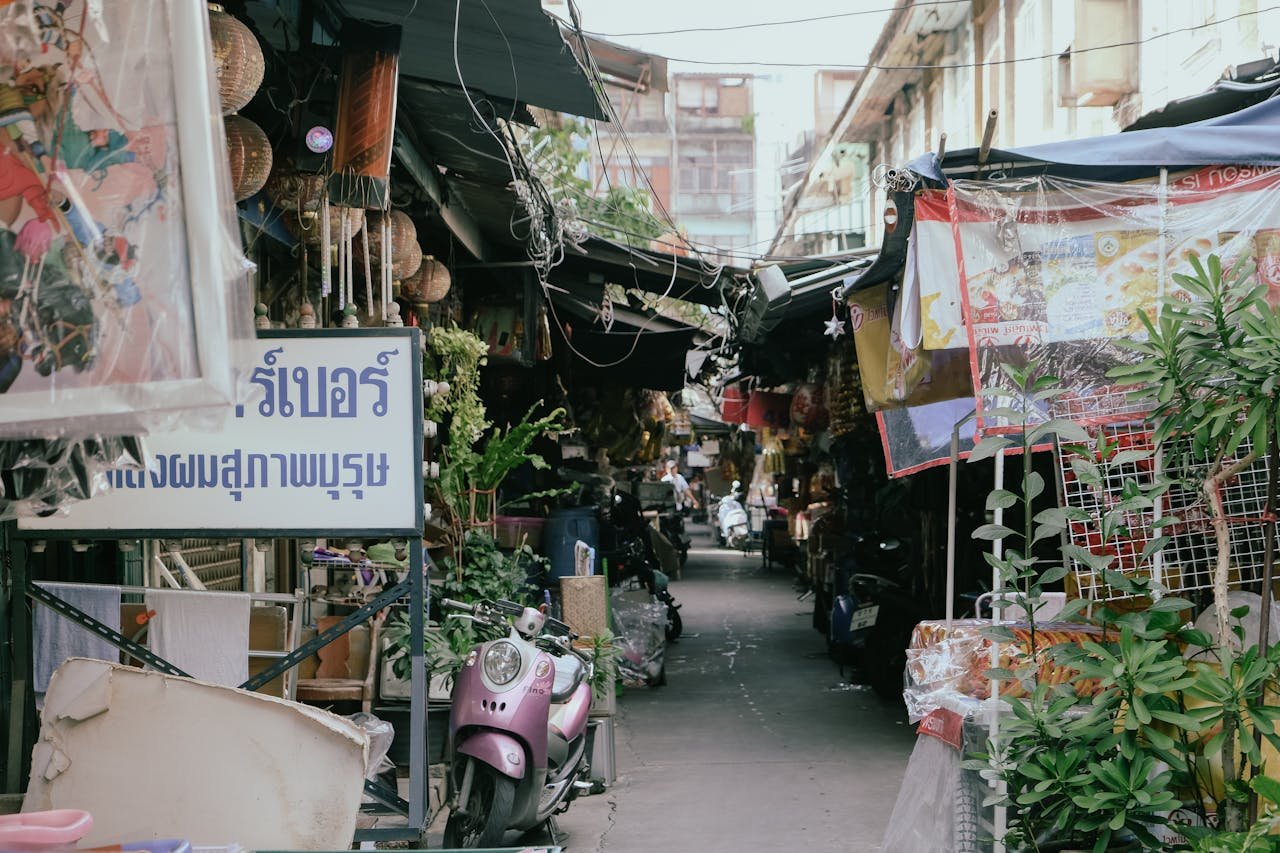
Initially a thriving hub for trade and shipping, Talat Noi’s small alleys and open-air markets gave rise to its iconic workshops, where people could find a variety of iron, scrap metal, and vehicle parts. Today, while much of its industry has shifted, this legacy remains part of the area’s identity, with hidden shops and small businesses adding a sense of nostalgia and history.
Cultural Significance and Artistic Revival
Talat Noi is renowned for its role in the artistic renaissance in Bangkok. As gentrification and tourism picked up, local and international artists found the neighbourhood’s mix of rustic alleys, mural-covered walls, and traditional Chinese-Thai architecture an ideal setting for creativity. Street art and murals now decorate many of the narrow lanes, making Talat Noi a haven for photographers and art enthusiasts.
Some of the street art pieces here were created during the Bukruk Urban Arts Festival, an art and music event that featured Thai and international street artists. These artworks complement the age-old walls and doors, merging tradition with modern expression, and have attracted a younger, more diverse crowd to the area.
Main Attractions in Talat Noi
Soi Charoen Krung 22
One of Talat Noi’s most famous streets, Soi Charoen Krung 22, is home to numerous antique shops, street art, and old temples. Wandering down this alley reveals both the historical side of the community and its emerging artistic identity.
Wat Pathum Khongkha
One of the hidden gems of Talat Noi, Wat Pathum Khongkha is a small Buddhist temple that boasts exquisite murals and carvings. This lesser-known temple is an ideal spot for travelers looking to explore Thai religious traditions without the crowds often found in other temples.
The Heritage House
Once a traditional Chinese merchant’s home, The Heritage House is a charming preserved building with period furniture and decorations. It showcases the blend of Thai and Chinese cultures that defines Talat Noi and gives you a glimpse into local life during the early 20th century.
Old Shops and Metal Workshops
Scattered across the alleys of Talat Noi, various small workshops still operate, dealing in metalwork, car parts, and second-hand goods. The workers here are often locals who have inherited their skills through generations. You’ll find rusty machinery, engines, and mechanical parts stacked along the streets—remnants of Talat Noi’s industrial past.
Street Art and Murals
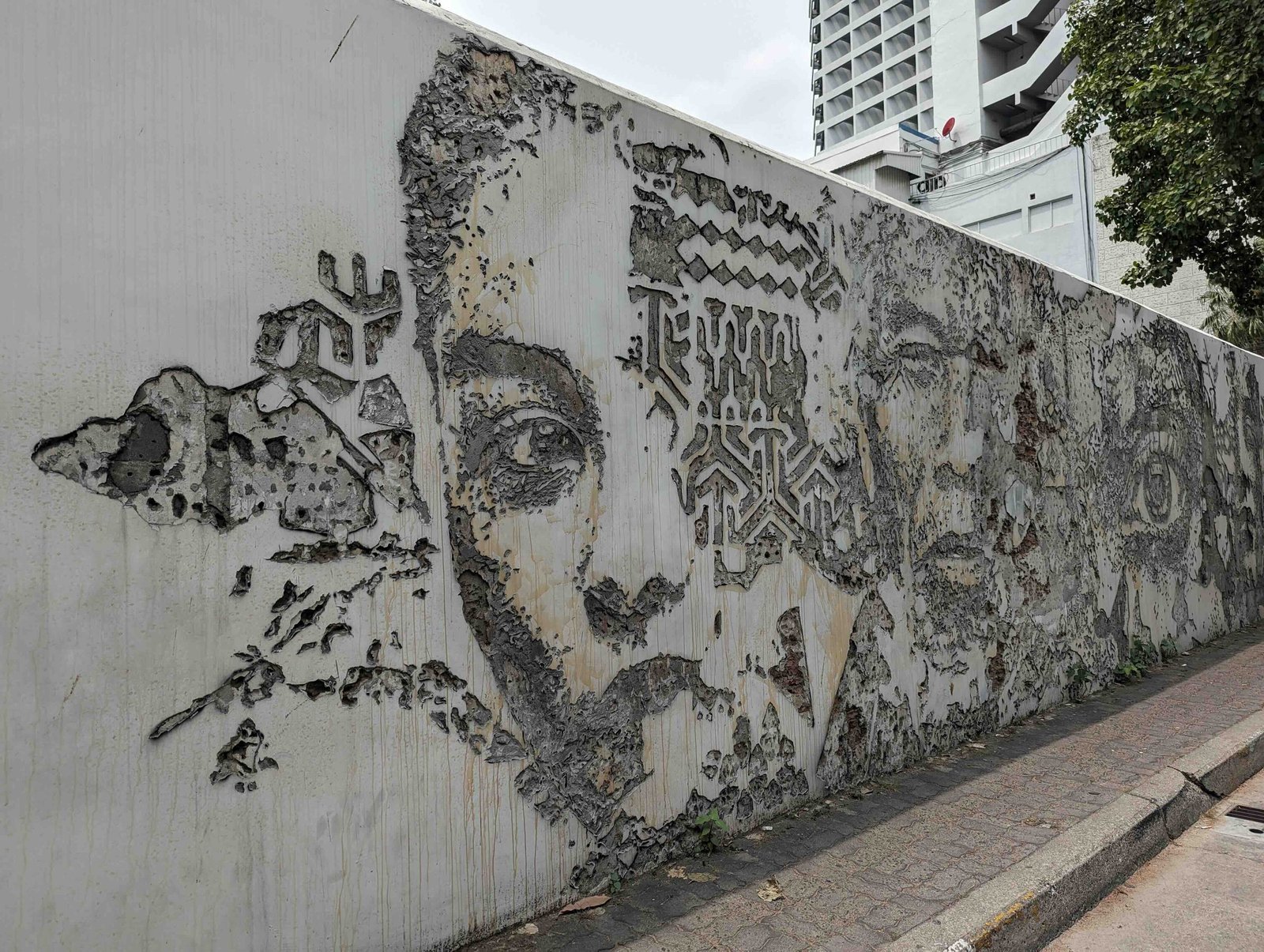
Art lovers will delight in Talat Noi’s street art scene. Each corner holds unique murals, often depicting cultural scenes, mythological figures, and everyday life in Bangkok. The walls feature the work of both Thai and international artists, with styles ranging from traditional to modern and even surrealist.
Some popular murals include:
- The Dragon Wall: A stunning mural of a dragon in traditional Chinese style. It’s one of the most iconic spots for photography and pays homage to the neighborhood’s Chinese heritage.
- Everyday Life Scenes: Many murals capture scenes from daily life, such as locals cooking food, children playing, or people working in metal workshops, providing insight into Talat Noi’s cultural landscape. Naturally, being in Bangkok, you will find a cat mural here and there!
Coffee Shops in Talat Noi
Talat Noi has some great local coffee shops and cafes. Some of my favourite coffee places in Bangkok are located there, and I always stop for a few coffees when walking around.
Mother Roaster
This is a must-stop spot for a coffee in Talat Noi. It’s a well-known place and can get busy. There is a good selection of coffee beans, many from Thailand, and I’ve had one of the best espressos in Bangkok here. This is a place purely for coffee drinkers, as you won’t find much else. It’s funkily located on one of the main street art alleys in the area.
Insider tip:
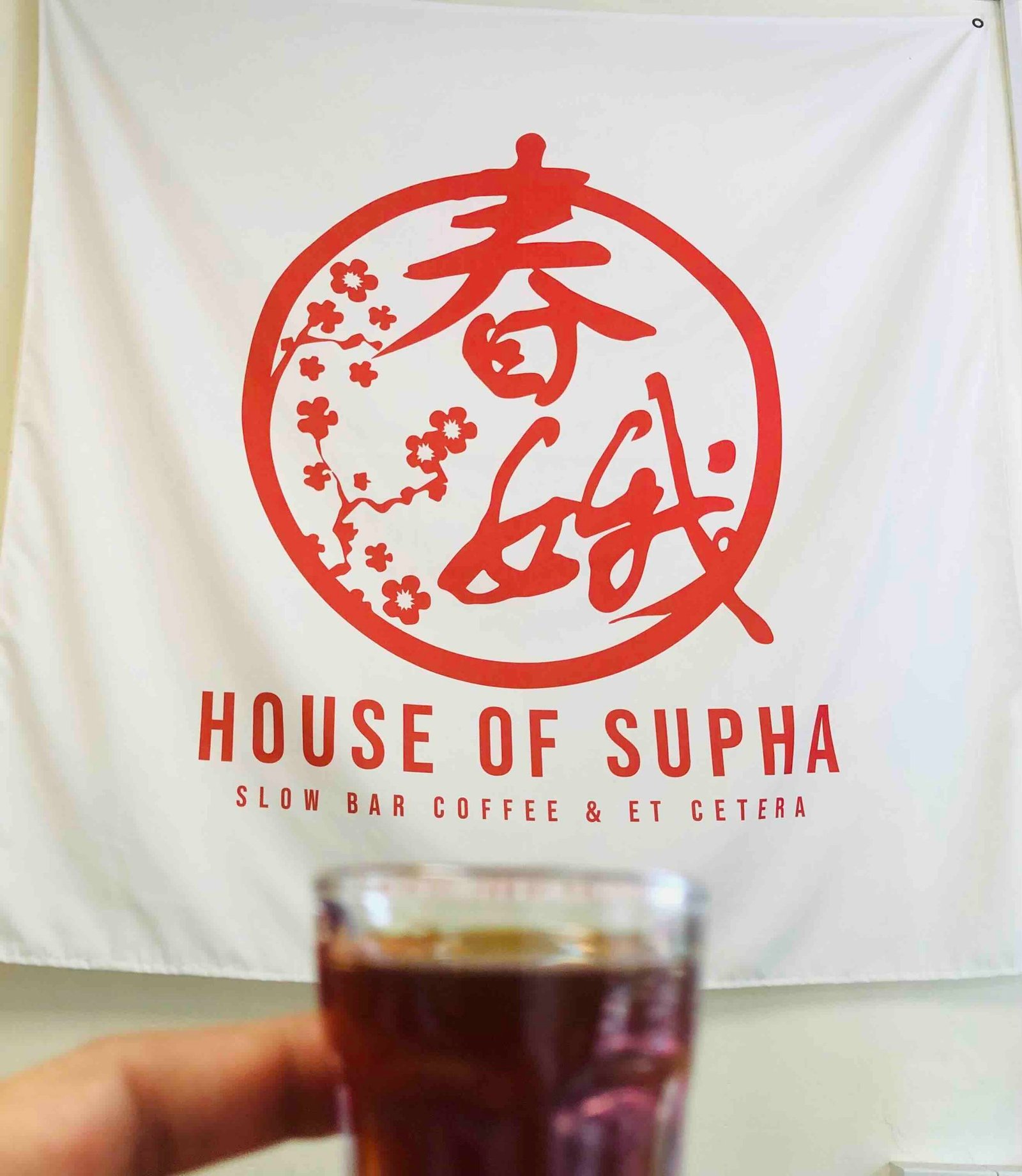
House of Supha
This is only open on the weekend and is a small place fitting around 10 people or so, but if you love coffee and meeting a few locals for a chat, then this is the spot to go.
I’m a little biased as it’s run by a friend of mine, but he genuinely always has some great coffee to try from around the world, and it’s a great little place to have a talk and relax away from the crowds for a while.
Eating in Talat Noi
Talat Noi’s dining scene offers a mix of traditional Thai and Chinese street food, family-run restaurants, and a growing number of cafes. Some notable dining options include:
Jay Eng’s Guay Jub Yuan
This popular eatery is famous for its delicious rice noodle rolls with a rich pork broth, served with tender pork, boiled eggs, and crispy shallots. It’s a favorite among locals, offering an authentic taste of Thai-Chinese comfort food.
Nai Soie’s Moo Ping
Nai Soie’s is known for its moo ping, or grilled pork skewers. Marinated with a savory-sweet sauce, these skewers are charcoal-grilled to perfection. They’re affordable and make for an ideal street snack while exploring the neighborhood.
Hong Sieng Kong Cafe
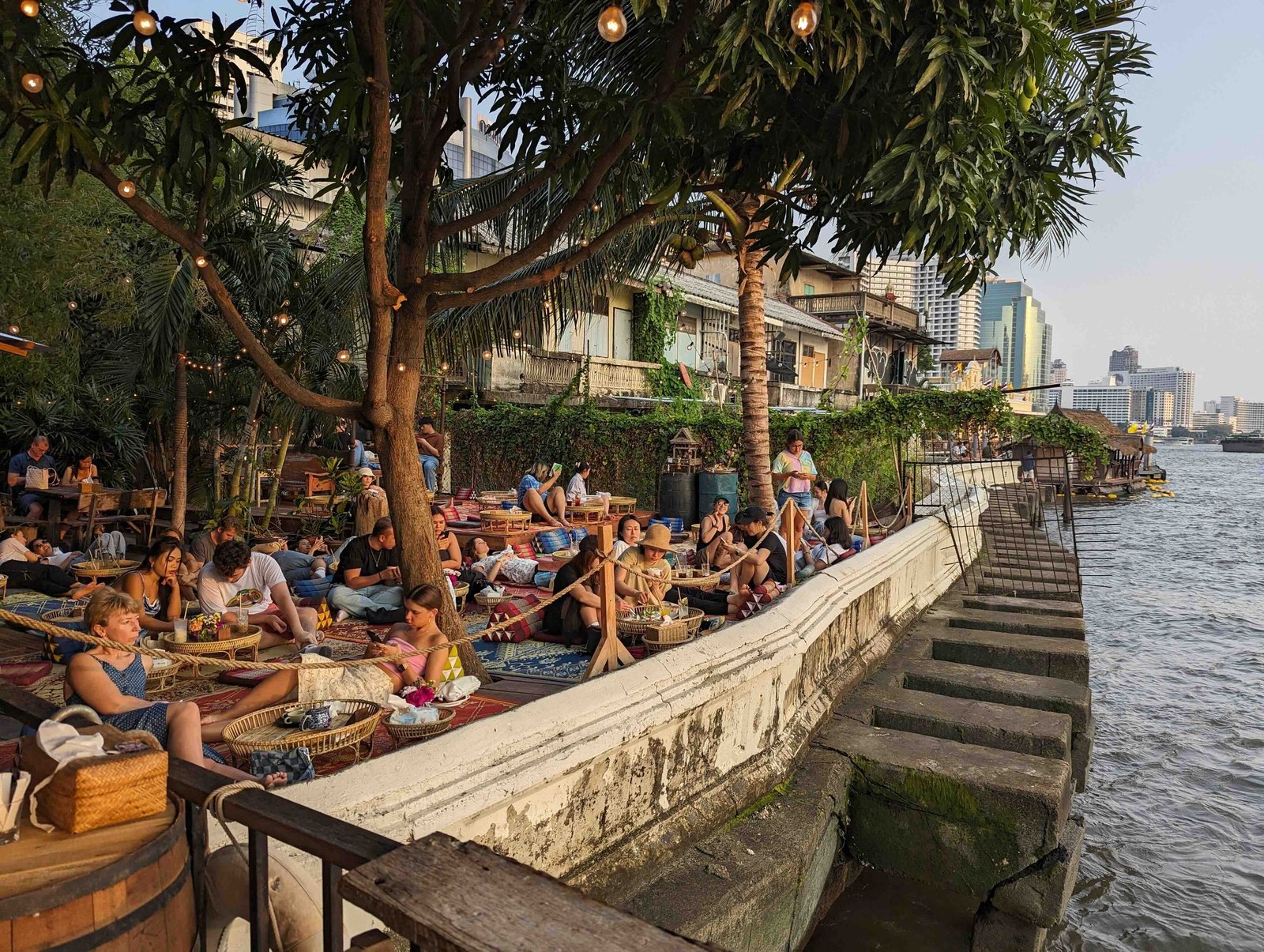
A newer addition to Talat Noi, this stylish riverside cafe is housed in a beautifully restored Chinese mansion, offering a charming ambiance that mixes history and modern design. They serve a variety of drinks and Thai fusion dishes, making it an excellent spot for a leisurely lunch or coffee break.
Ba Hao Tian Mi
Specializing in Chinese-inspired desserts, Ba Hao Tian Mi is a cozy dessert shop that serves dishes like tofu pudding, tangyuan (sweet glutinous rice balls), and shaved ice with unique toppings. Perfect for anyone with a sweet tooth, this shop adds a delightful finish to a day of exploration.
Shopping and Souvenirs
For unique shopping experiences, Talat Noi has several interesting options. Here are some ideas for unique souvenirs and gifts:
Old Market Souvenirs
Various shops and stalls along Talat Noi’s streets sell everything from Chinese antiques to handcrafted trinkets and decorative items. This is the place to find old maps, vintage posters, and Thai-Chinese decor that capture the area’s heritage.
Metalwork Shops
The metal workshops along Talat Noi’s alleys offer a distinct shopping experience. Though primarily known for their repair and industrial services, some of these shops have unique items on display, from old engine parts to vintage clocks and trinkets made from metal scraps.
How to Get There and Getting Around
By MRT: The most convenient way to reach Talat Noi is by taking the MRT Blue Line to Hua Lamphong Station. From there, it’s a short walk to the heart of Talat Noi.
By Boat: For a scenic approach, take the Chao Phraya Express Boat to the Ratchawong Pier or Si Phraya Pier. Talat Noi is within walking distance of both.
On Foot: Talat Noi is a pedestrian-friendly neighborhood, with its narrow lanes and hidden alleys best explored on foot. Wear comfortable shoes, as you’ll be doing a fair amount of walking to discover all its nooks and crannies.
Biking: Biking is an alternative option, though the narrow alleys may be challenging. Some visitors prefer biking to cover more ground and explore surrounding areas like Yaowarat and Little India.
Tips for Visiting Talat Noi
- Respect the Local Community: Talat Noi is still home to many long-standing residents. Be mindful of the locals, and respect their privacy, particularly when exploring residential areas.
- Best Time to Visit: Visiting in the early morning or late afternoon provides a cooler, more comfortable experience. This is also the best time to capture great photos of the street art and scenic riverside views.
- Cash Is Essential: Most of the local shops and eateries operate on a cash-only basis, so it’s a good idea to have small bills on hand.
- Learn Basic Thai Phrases: While Talat Noi has become more popular with tourists, not everyone in the community speaks English. Basic phrases in Thai can go a long way.
Future of Talat Noi
While Talat Noi has preserved much of its heritage, its future lies in balancing modernization with tradition. Recent developments, including the introduction of art galleries and hip cafes, show that Talat Noi is open to change.
However, there’s also a strong commitment among the community to preserve the neighborhood’s historical identity.
Talat Noi
Talat Noi gives you a chance to explore Bangkok’s rich cultural history and thriving modern art scene. From historic temples to bustling workshops and vibrant street art, it’s a neighborhood I tell everyone to visit. Chinatwon is a must-visit in Bangkok, but before or after visiting Chinatown take a stroll through the more relaxed Talat Noi area.
To experience an authentic side of Bangkok, Talat Noi offers a glimpse into the past while embracing the new—a true gem in the heart of the city.
For more guides to Bangkok, have a look at the best English bookstores in Bangkok.
And some of the best books about Thailand to read (some set in Bangkok).
Share this article about Talat Noi in Bangkok: