One of Africa’s premier safari destinations, Tanzania is renowned for its amazing variety of wildlife and incredibly diverse landscapes, from the vast plains of the Serengeti to the towering walls of Ngorongoro Crater.
It’s a country that I first set foot in five years ago and which well and truly captured my heart. It’s fair to say I fell head-over-heels for Tanzania, and that’s why I’ve made an effort to return at least once a year for the past five years.
Tanzania is the stage of the world-famous great wildebeest migration and is home to the largest lion population in Africa (over 14,000 individuals)!
But with 23 national parks covering 15% percent of the land, it can be challenging to know exactly where to prioritise, especially when you have limited time in the country.
In this article, I’m going to present you with my favourite places to go on safari in Tanzania.
1. Serengeti National Park
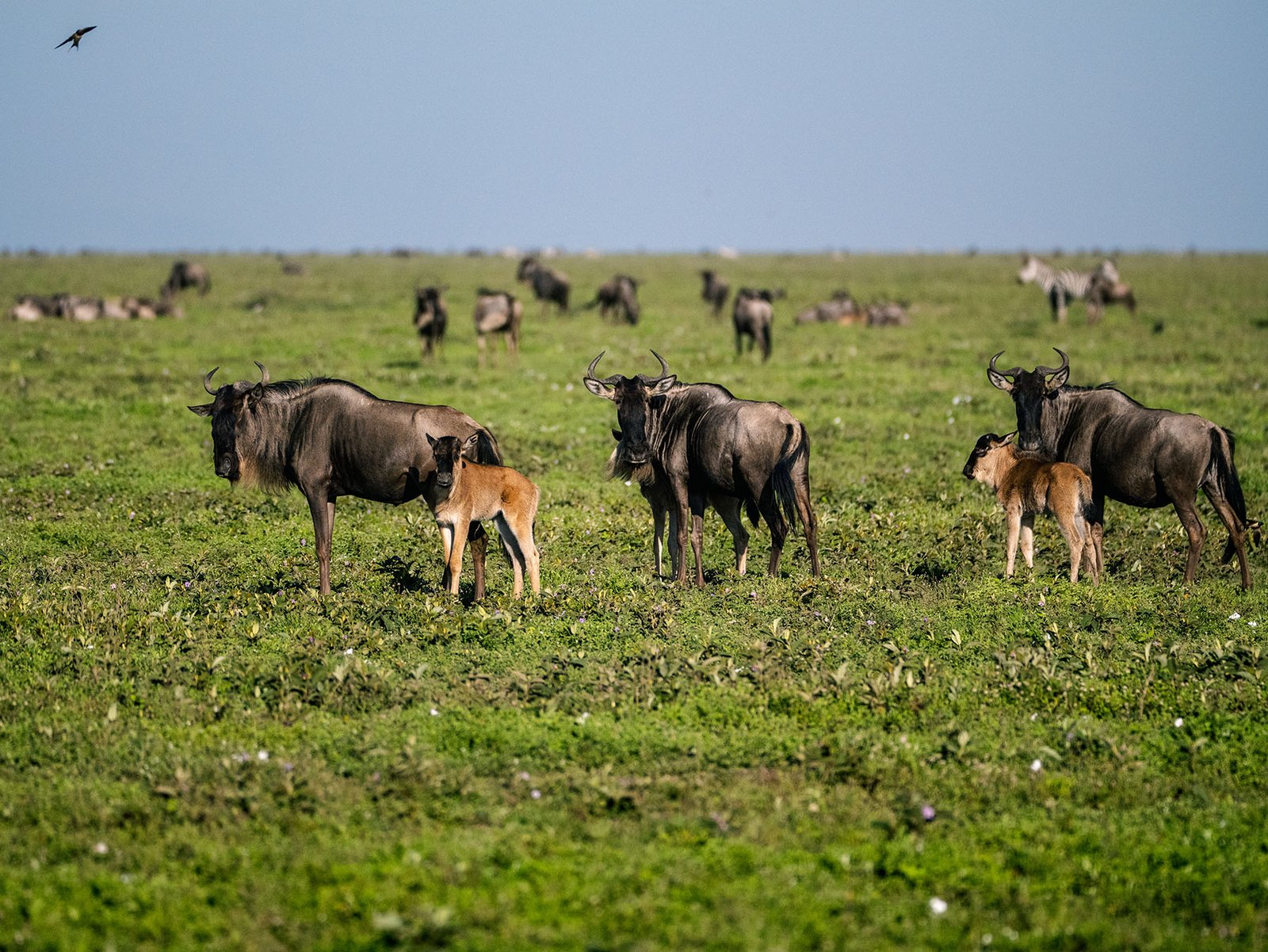
Serengeti National Park is the jewel in Tanzania’s safari crown. Home to healthy numbers of the Big Five (lion, leopard, elephant, buffalo and rhino), as well as being the main stage for the Great Wildebeest Migration, you’ll no doubt be blown away by this productive ecosystem.
As if that’s not enough, Serengeti also offers excellent lion sightings, including tree-climbing lions in the Seronera region. It’s the best place in Tanzania for big cats, and you have a fantastic opportunity to not only see lions but also leopards and cheetahs as well.
The Serengeti is where I had my first-ever wild leopard sighting – in fact, I saw three in the same day! Whilst this may sound impressive, it’s not an isolated incident. Healthy numbers of leopards mean that they are sighted fairly frequently.
The main draw for visitors, however, is a chance to witness the spectacle that is the Great Wildebeest Migration. The huge herds, over a million strong, can be found across Serengeti’s wide open plains year-round. The highlight of the migration, however, is when they cross the crocodile-infested Mara River in the north. This can be seen between mid-July and mid-October each year.
I’ll never forget the first time I witnessed a river crossing. Witnessing a group of wildebeest leaping down the steep banks, battling through the powerful currents to the other side, was a nail-biting sight.
The Serengeti is a 7-hour drive from Kilimanjaro International Airport, and entry costs $70 per day plus 18% tax per adult. It’s then an additional $60 + tax per night to stay within the park. Tanzania’s park fees make up the bulk of your total safari costs, shortly followed by accommodation.
The best time to go is during the dry season (June-October), when game viewing is excellent, and the Great Migration river crossing is in full swing.
Another great time of year to visit is the wildebeest calving season. Calving season in the southern Serengeti (January-February) is a great time for intense predator action.
As Serengeti is so vast, I’d recommend spending at least 2 nights here, ideally 3 if you have the time. If you’re visiting between June and October, you’ll want to base yourself in the northern Kogatende region, where the migration is. At other times of the year, Seronera (central Serengeti) is the best place to stay.
Serengeti National Park can easily be combined with a trip to Ngorongoro Crater (2 hours away) or Tarangire National Park (5 hours away).
2. Ngorongoro Crater
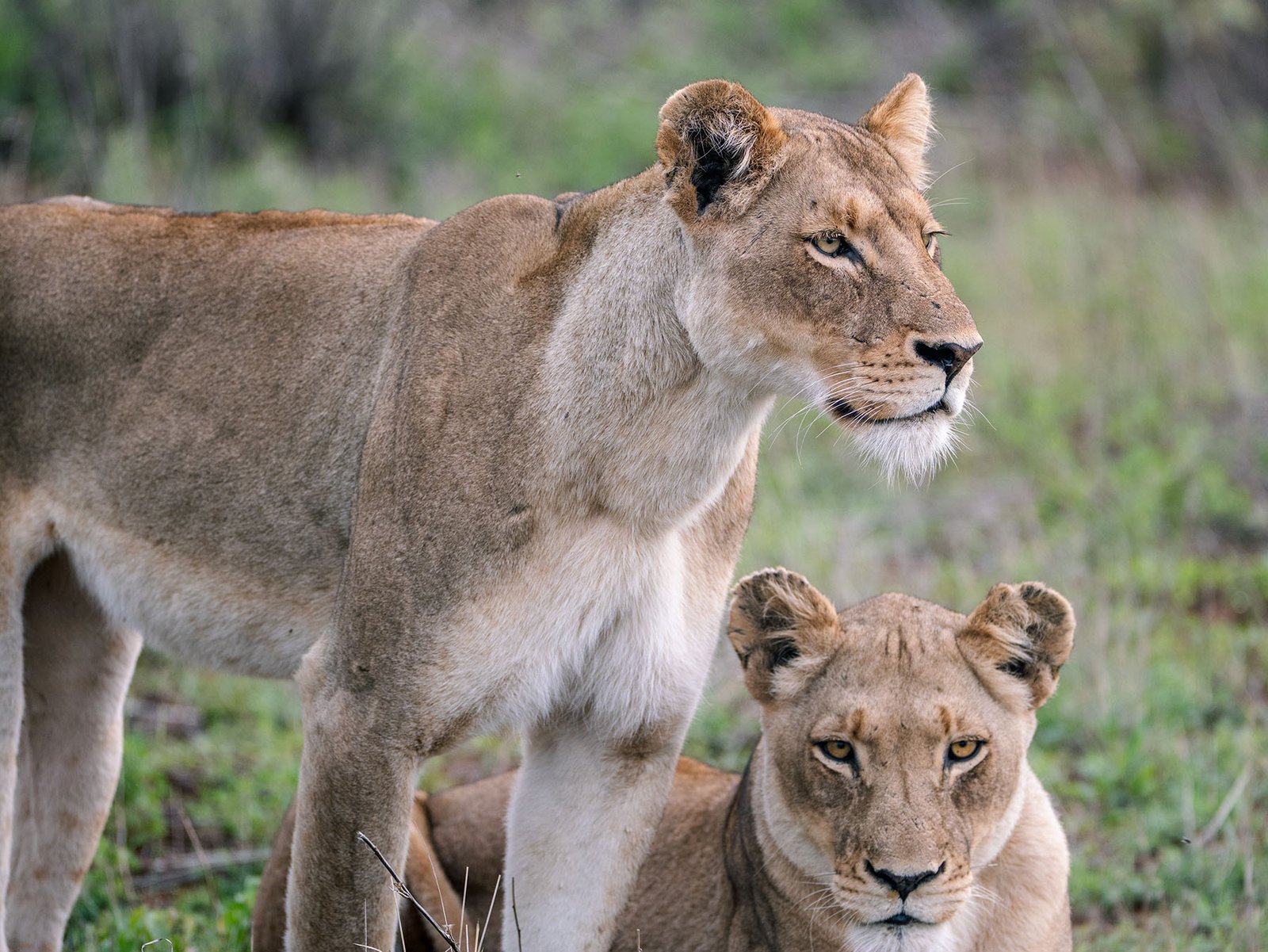
Spanning a jaw-dropping 20 km in diameter, the Ngorongoro Crater boasts Africa’s highest concentration of lions and the best place in Tanzania to spot black rhino, with 20-30 of these critically endangered creatures in residence.
The world’s largest intact volcanic caldera, Ngorongoro Crater, is surrounded by towering cliff walls up to 610 metres high. It’s a completely unique ecosystem – you won’t find anything else like it in the world!
I’ll never forget making the dramatic descent to the crater floor along steep, winding roads swathed in misty forest and then emerging into what felt like a purpose-built wildlife amphitheatre.
Shortly after we arrived, a lion pride crossed the road right in front of us. Watching them pass by in the dim light of dawn was spine-tingling.
Entry fees are $70.80 per adult per day, and vehicle permits cost $295 plus 18% tax.
Situated 5 hours from Kilimanjaro International Airport, the crater offers a great opportunity to spot all members of the Big Five and is excellent for some of Tanzania’s smaller and more elusive species, such as serval and African golden wolf encounters.
With over 30,000 resident species and stable populations year-round, not to mention breathtaking scenery, it is an unmissable highlight, especially for first-time safari-goers, Big Five enthusiasts and photographers.
I’d recommend spending the night before your safari in either a lodge or a campsite atop the crater rim. This will give you exclusive early access to the crater the next day, allowing you to beat the crowds, watch the sun rise over the crater, and massively increase your chances of seeing lions and rhinos in the crater as they are best seen early in the morning.
Ngorongoro Crater is close to the Serengeti (2 hours), Lake Manyara (2 hours) and Tarangire (3 hours), so you could consider a combination trip if time allows.
3. Tarangire National Park
Just a 3-hour drive from the city of Arusha, and a couple of hours from Ngorongoro Crater by road, Tarangire National Park is a fantastic addition to a several-day Tanzania safari.
Not as well-known as Ngorongoro Crater or Serengeti National Park, Tarangire receives just a fraction of the visitors but is no less impressive.
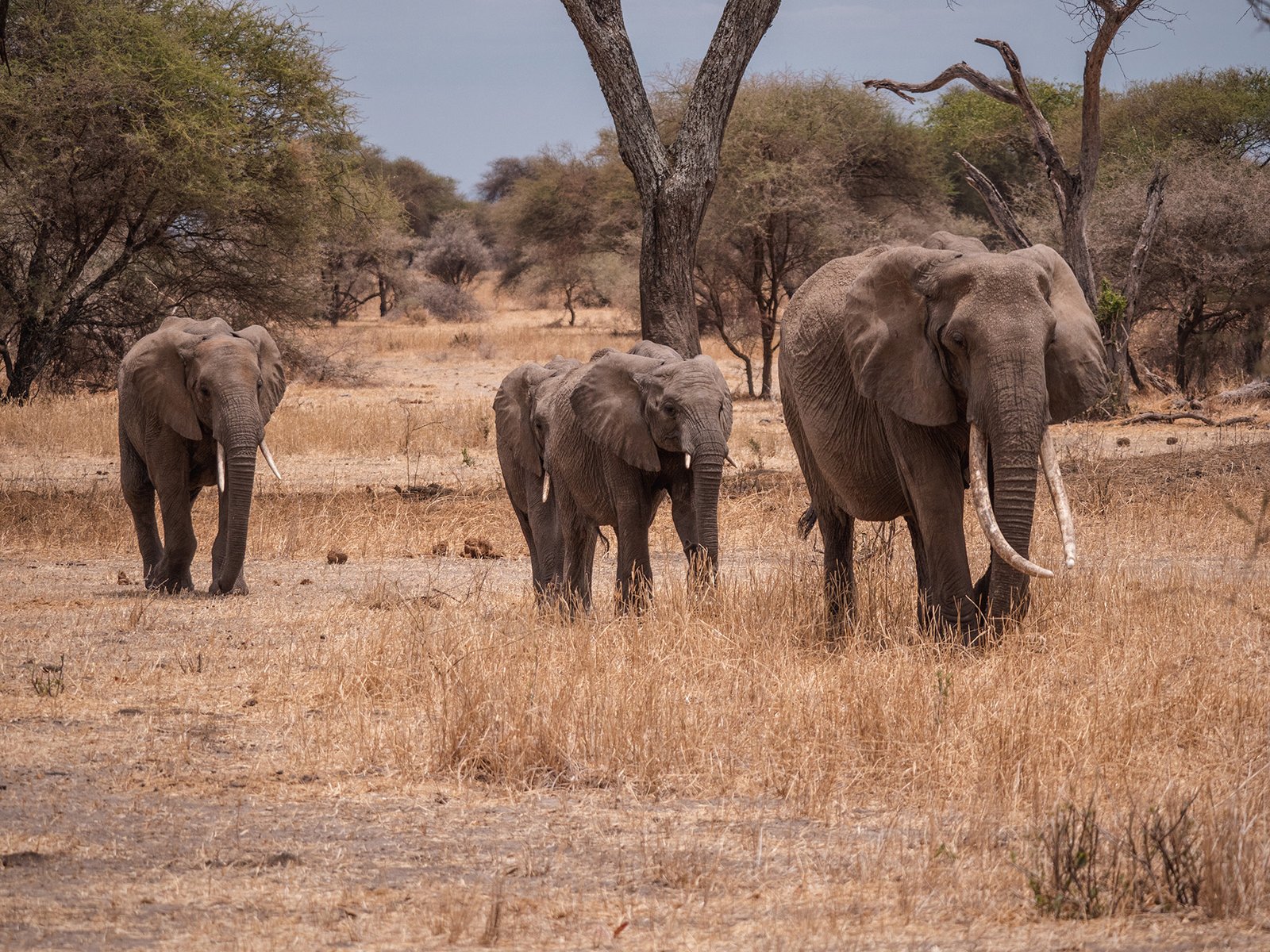
Tarangire’s landscape is truly beautiful, with stretches of long, golden grass between huge baobab trees. This park is known for its massive elephant herds, which are often more than 100 strong, and I could hardly believe my luck when we encountered an entire herd crossing the road right in front of our vehicle almost as soon as we entered the park! We followed them to the waterhole and watched the adults drinking deeply as one of the babies frolicked in the water.
While elephants are the undisputed highlight, the park also has lions, leopards, giraffes, zebras and buffalo, and tree-climbing pythons have also occasionally been seen there. Bird diversity is excellent, with over 500 species calling Tarangire home.
Entry to the park costs $50 per adult per day plus 18% tax, and it is a 4-hour drive from Kilimanjaro International Airport.
The best time to visit is June-October, when the animals congregate around the waterholes.
You can easily combine Tarangire with Lake Manyara (2 hours away) or the Ngorongoro Crater (3 hours away), or add it to your Northern Circuit trip.
With its stunning scenery and incredible elephant sightings, it’s well worth a visit.
4. Lake Manyara National Park
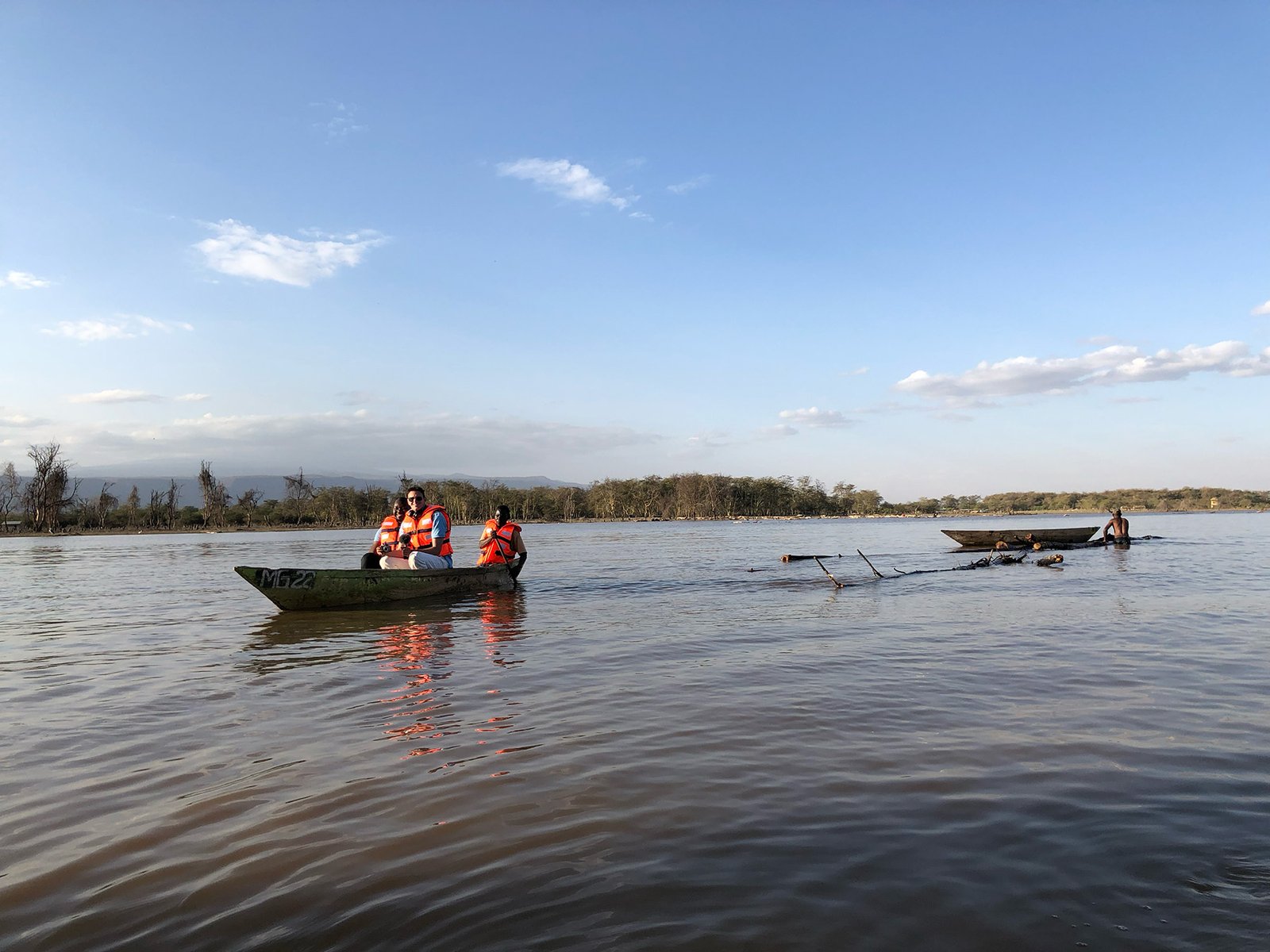
Picture the scene: you’re sitting in a traditional wooden canoe, paddling through a flooded forest with trees rising from the water all around you and the sunlight dappling the surface of the calm waters. All is still and quiet – and then suddenly, a deep bellow breaks the silence. The grunting of one of the enormous hippos that live here on Lake Manyara.
Situated just 3 hours from Kilimanjaro International Airport, Lake Manyara National Park is a compact but scenic park with an impressive diversity of habitats. The park is famous for its tree-climbing lions, and the lake is filled with flamingos when conditions are right. Although you won’t find rhinos here, there are giraffes and buffalo as well as hippos, and the lush forest landscape makes a pleasant change from the open savannah you’ll see on most safaris.
As well as game drives, you can embark on some unique activities here, such as canoeing safaris and take a stroll along the impressive treetop walkway.
Run by local fishermen, the park’s canoe safaris offer a unique and atmospheric experience you won’t find anywhere else. Though we didn’t see any hippos from our canoe, we could hear them thrillingly close by.
Lake Manyara is one of Tanzania’s more reasonably priced parks at $50 adult per day + 18% tax.
If you’re considering visiting Lake Manyara, you should be aware that recent flooding has impacted wildlife numbers, with many animals moving to higher ground and higher water levels making it harder for flamingos to feed.
This unique national park is still well worth visiting if you have time, but if your itinerary is tight, you might be better off prioritising other parks.
Lake Manyara is ideal as a half-day stop on your way to the Ngorongoro Crater or the Serengeti National Park.
5. Ruaha National Park
Covering over 20,000 km2, Ruaha National Park is one of Tanzania’s largest national parks and yet also one of its best-kept secrets!
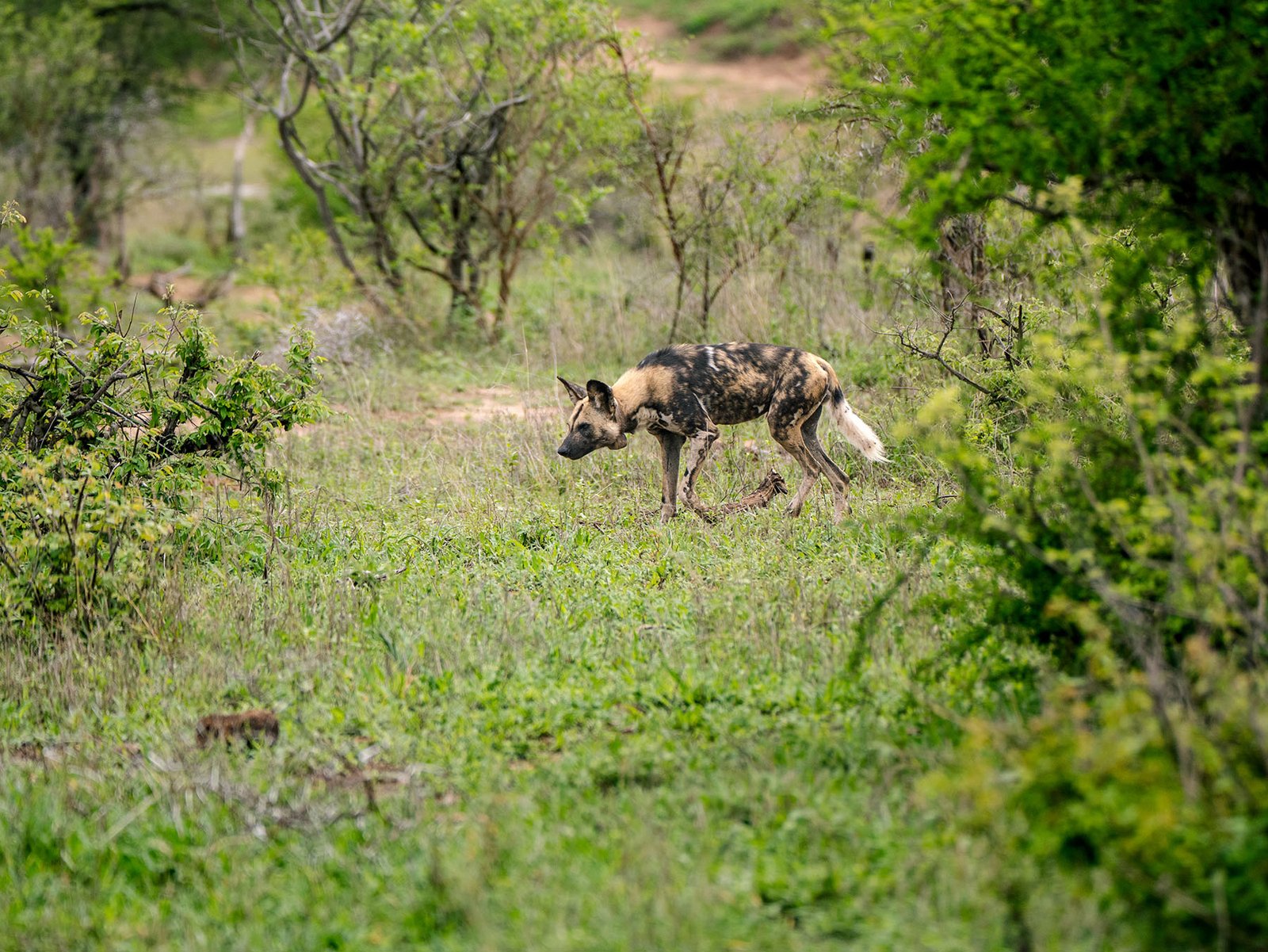
This vast reserve supports one of the largest lion populations in the world and also boasts substantial populations of cheetahs and African wild dogs.
Part of Tanzania’s southern safari circuit, Ruaha’s spectacular wildlife rivals that of Ngorongoro Crater, but the park attracts a mere fraction of the visitors.
Visitors can look forward to an authentic, uncrowded safari experience and excellent predator sightings without many vehicles around, plus a dramatic landscape filled with mighty baobab trees.
As well as excellent lion and wild dog sightings, the park also has rare sable antelopes, cheetah, leopard, hyena, Masai giraffe and hippo.
Ruaha is a little more difficult to access than some of the better-known reserves. You can fly from Dar es Salaam or take an internal flight from Serengeti or Zanzibar. The park is also a 10-hour drive from Dar Es Salaam, but driving is not recommended as the roads are largely very dusty and bumpy.
At $30 per adult per day plus 18% tax, entry fees for the park are low and offer great value compared to parks on the northern circuit.
The best time to visit Ruaha is during the dry season from June to December. Many of the park camps close during the rainy season from January to May.
Due to its remote location, the park appeals most to adventurous travellers and those seeking solitude. Its healthy wild dog population will also make it a hit with wild dog enthusiasts!
6. Nyerere National Park (Selous)
Previously known as Selous Game Reserve, Nyerere National Park is Tanzania’s largest national park. Part of the country’s southern safari circuit, it is home to the rare sable antelope and has a healthy wild dog population to boot.
The park’s diverse landscape comprises woodland, savannah, lakes and rivers and supports an incredibly rich ecosystem. Indeed, the richness of its biodiversity led UNESCO to declare it a World Heritage Site in 1982.
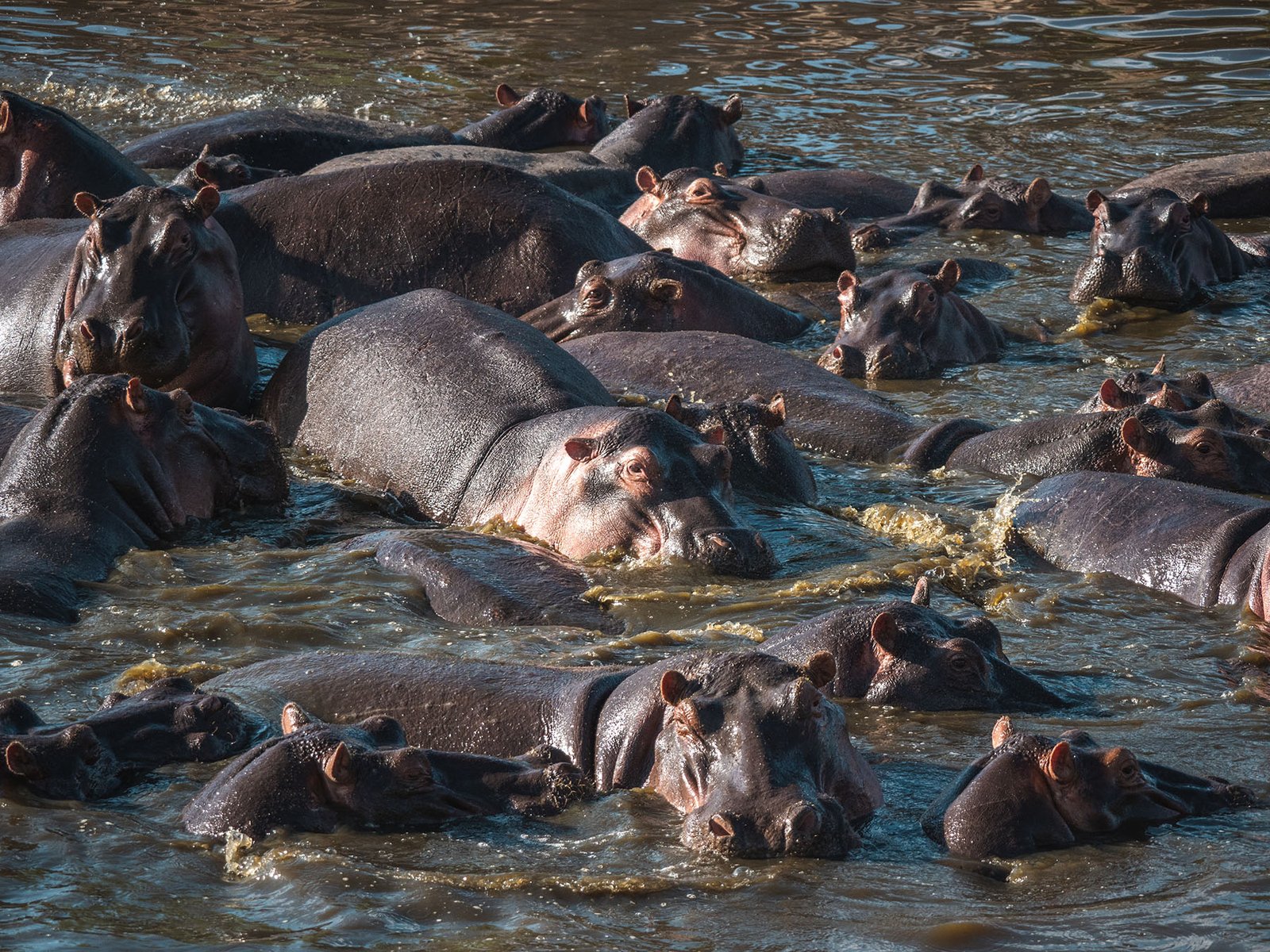
Nyerere supports large elephant, hippo and lion populations and is also home to considerable numbers of crocodile, cheetah and giraffe as well as buffalo and wildebeest. While you won’t find rhino here, the reserve has some 350 species of birds, including the endemic Udzungwa forest partridge and the rufous-winged sunbird. But perhaps most astonishing is the number of plant species recorded here, which is in excess of 2,100.
Entry fees at Nyere are $50 per adult per day plus 18% tax, and visitors can enjoy boat safaris and fishing as well as walking safaris with armed guides.
The park has a number of remote luxury camps for an extra-special safari experience. Adventure-seekers are bound to love it here, as well as wild dog enthusiasts and those eager to experience a boat safari.
The park is a short 45-minute flight from Dar Es Salaam or Zanzibar, or you could also opt to drive from Dar Es Salaam (approx. 5 hours). However, like with Ruaha, Nyerere is remote and driving conditions are challenging.
The best time to visit Nyerere is during the dry season (June-October), as the park’s camps close during heavy rains.
Being close to Ruaha, the two parks combine well for a southern Tanzania adventure.
Planning Your Tanzania Safari
Tanzania’s parks and reserves can be split into two circuits: the northern circuit and the southern circuit.
The northern circuit, comprising Serengeti, Ngorongoro, Tarangire and Lake Manyara, is very well established with great infrastructure.
The best way to explore the northern circuit is on an organised safari. There are both group and private options available and a plethora of local tour operators to choose from. An organised safari means that everything is taken care of for you, from park fees to accommodation, vehicle to driver guide. Safaris take place in Toyota Land Cruisers with pop-up roofs, allowing you a panoramic view for game viewing.
Tanzania’s southern circuit (Ruaha and Nyerere) isn’t anywhere near as well established, with poor roads connecting the two. It’s much better instead to arrange a fly-in safari here, where you hop between parks on a 12-seater plane. Be aware that there’s a strict 15 kg weight limit for luggage (hold and hand luggage combined) on internal flights.
The best time to visit Tanzania is either during the dry season (June-October), when animals gather at waterholes, or during the wildebeest calving season (January-February) for dramatic predator action. Avoid travelling during the long rains (March-May), as some roads become impassable during this time and a number of lodges close. Fly to Kilimanjaro (JRO) for the northern circuit or Dar Es Salaam (DAR) for the southern circuit; parks are then connected by internal flights.
Prices for all-inclusive safaris start at around $180 per person per day for group and $350 per person per day for private safaris, which typically include accommodation, meals, park fees, transport and a guide. There are options to suit every budget and timeframe, so with a little research, you can plan the perfect trip to this amazing country.
Tanzania
Tanzania offers some of Africa’s most incredible safari experiences, from the world-famous Serengeti to the hidden gems in the south. If this is your first safari, I’d recommend the classic combination of Serengeti, Ngorongoro Crater and Tarangire National Park.
If you’re after a quieter break, head south to Ruaha or Nyerere. And if you’re very tight on time, you can simply do the Ngorongoro Crater as a day trip from Arusha.
From the Great Migration to magical encounters with the Tarangire elephants, Tanzania has given me so many priceless memories. Whether you’re on a budget or seeking a luxury break, this beautiful country has the ideal safari for your travel style. So what are you waiting for? Plan your dream safari and discover why Tanzania enjoys such a great reputation. You won’t be disappointed!