When I arrived in Tokyo from Switzerland to start my studies at Waseda University, my first flat had 16 square metres. Over the next three years I learned a lot about how daily life in Japan works, mostly by watching the people around me, sometimes by getting a puzzled look.
The good news first: Japanese people are very patient with visitors. Nobody expects you to know every custom, and a friendly “sumimasen” (excuse me, sorry) fixes almost any slip. But if you travel on a budget, a few unwritten rules also save you money, stress and awkward moments. These are the ten I would explain to any friend with a backpack and a JR map.
1. Trains are quiet zones

The first thing you notice on a Tokyo train is the silence. People read, sleep or scroll, but they do not talk loudly and they do not make phone calls. Put your phone on silent, which is called “manner mode” in Japan, and send a message instead of calling.
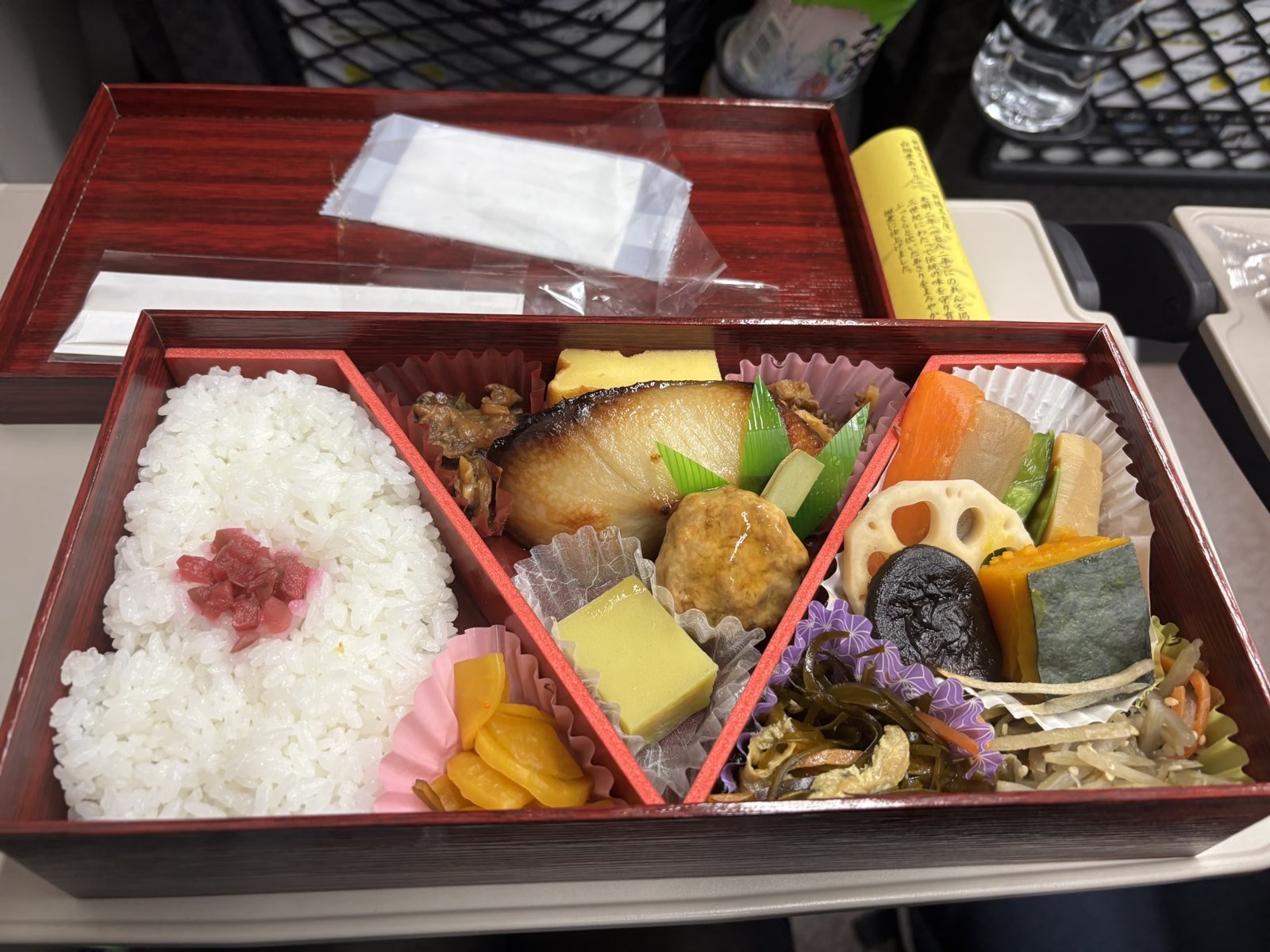
As a backpacker, the bag itself is the bigger issue. In a crowded carriage, wear it on your front or put it on the luggage rack above the seats. Queue at the marks on the platform and let people get off first. And keep your snacks for the Shinkansen: a bento on a long distance train is part of the fun, but eating on a full commuter train gets you looks.
2. Shoes off when the floor goes up
Japan has a simple signal for when to take your shoes off: a step up at the entrance, or a row of slippers. You will see it in homes, guesthouses, ryokan, temple halls, some restaurants and even fitting rooms. Never step onto tatami mats in slippers, only in socks.
The classic tourist mistake happens in the toilet. Many places have separate toilet slippers, and walking back into the room still wearing them is the one thing everybody notices. My practical tip for backpackers: leave the socks with holes at home. Shoes come off far more often in Japan than you think.
3. Shrines and temples are not the same
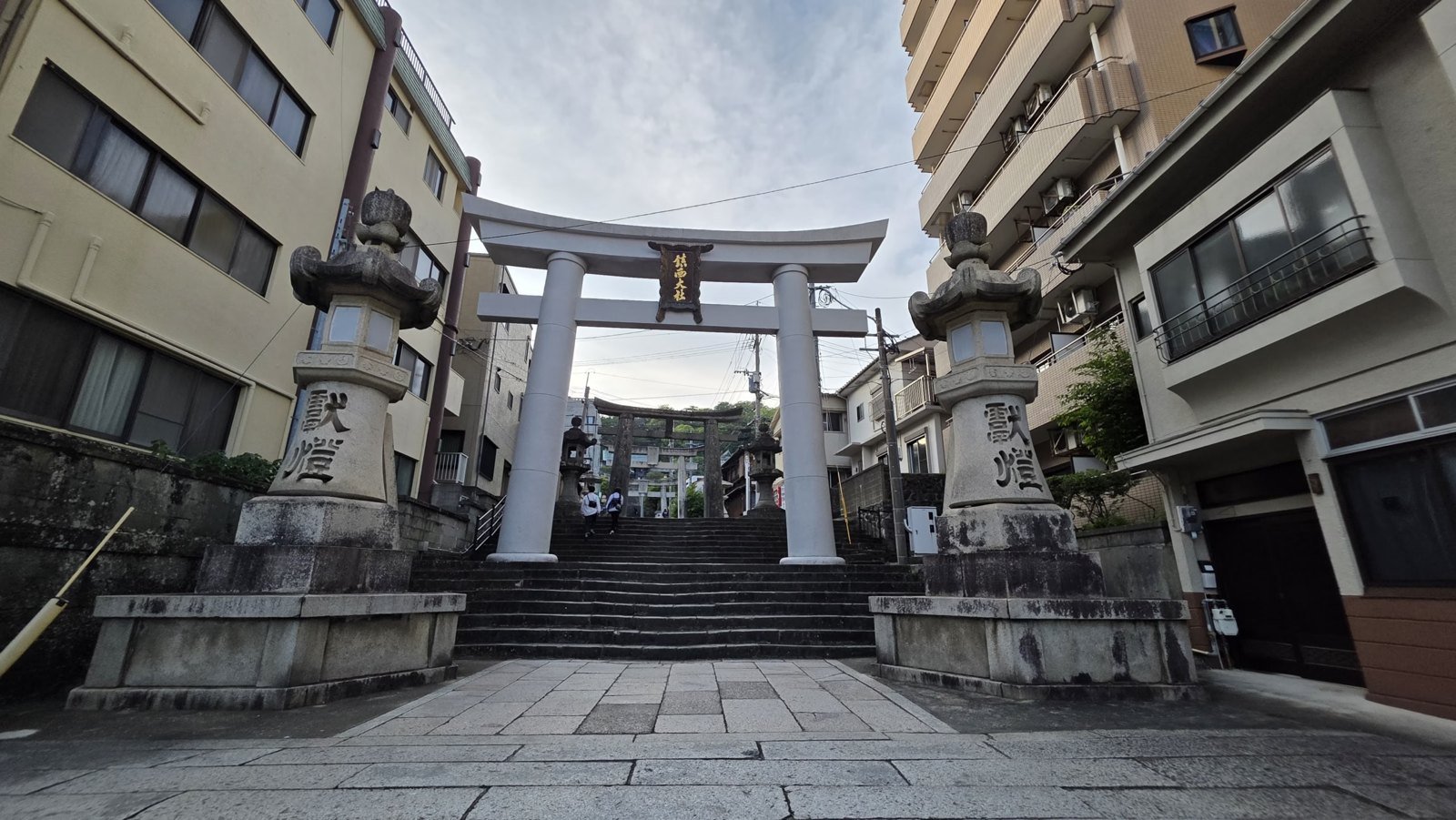

Shinto shrines and Buddhist temples often stand next to each other, and the etiquette is different. At a shrine you bow slightly at the torii gate, walk on the side of the path, wash your hands at the water basin, then drop a coin in the box, bow two times, clap two times, say your wish silently and finish with one more bow. At a Buddhist temple you do not clap.
Over the years I wrote several ema, the wooden wish plaques, and I drew an omikuji fortune twice. Both times it was bad, so we tied the paper to the rack at the shrine, which is what you do with a bad fortune. My wife had to read them for me, because everything was in Japanese. If you want to tell the two apart at a glance, I wrote a full guide to shrines vs temples in Japan, with the etiquette for both.

4. Never leave a tip
This one costs nothing and still confuses people. Japan simply has no tipping culture. Whether it is a restaurant, a taxi, a hotel or a hairdresser, the service is already part of the price. In my three years in Tokyo I never tipped once, and I have seen what happens when tourists try: staff ran out of the restaurant after them to hand the money back.
The best “tip” is a sincere “arigatou gozaimasu” (thank you) when you leave, or “gochisousama deshita” after a meal. If you really want to show appreciation to someone who helped you a lot, a small gift works much better than cash. When I studied at Waseda, I brought small presents from Switzerland for my lab, and that felt much more natural than handing over money.
5. The izakaya “otoshi” is not a scam
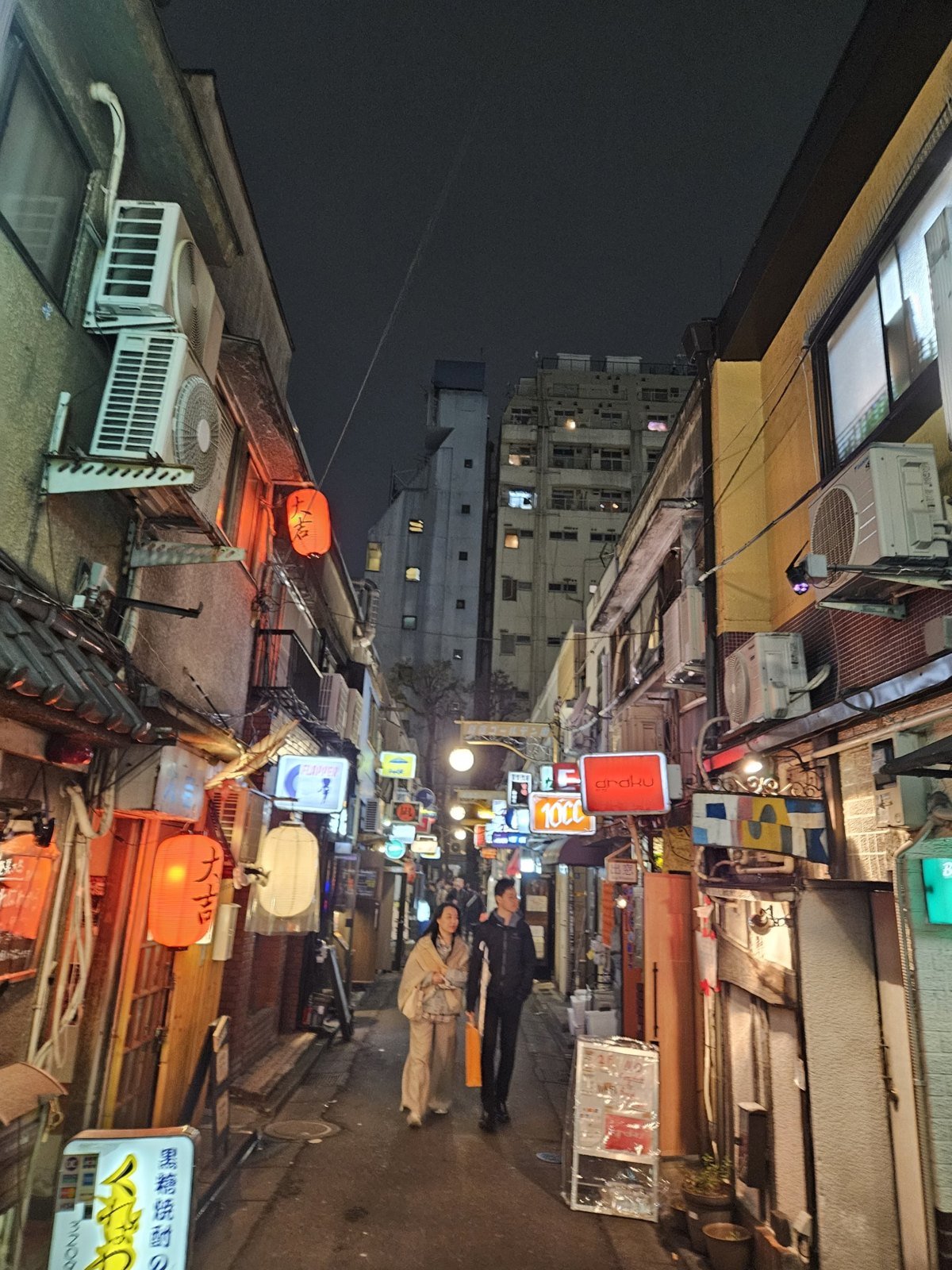

Sit down in an izakaya, a Japanese pub, and a small dish often arrives that you did not order. That is the otoshi, a little starter that comes bundled with a seat charge. Where I drank in Tokyo it normally cost me about 500 yen a head, and locals often just think of it as the price of the table. It is completely normal and not a trick aimed at tourists.
For a budget traveller it is worth knowing in advance, because it changes the maths of a cheap drink. If you only want one beer, a standing bar or a konbini can be the better deal. Small bars like the ones in Golden Gai often charge a cover fee too, so check the sign at the door before you sit down.
6. Wash first, then soak
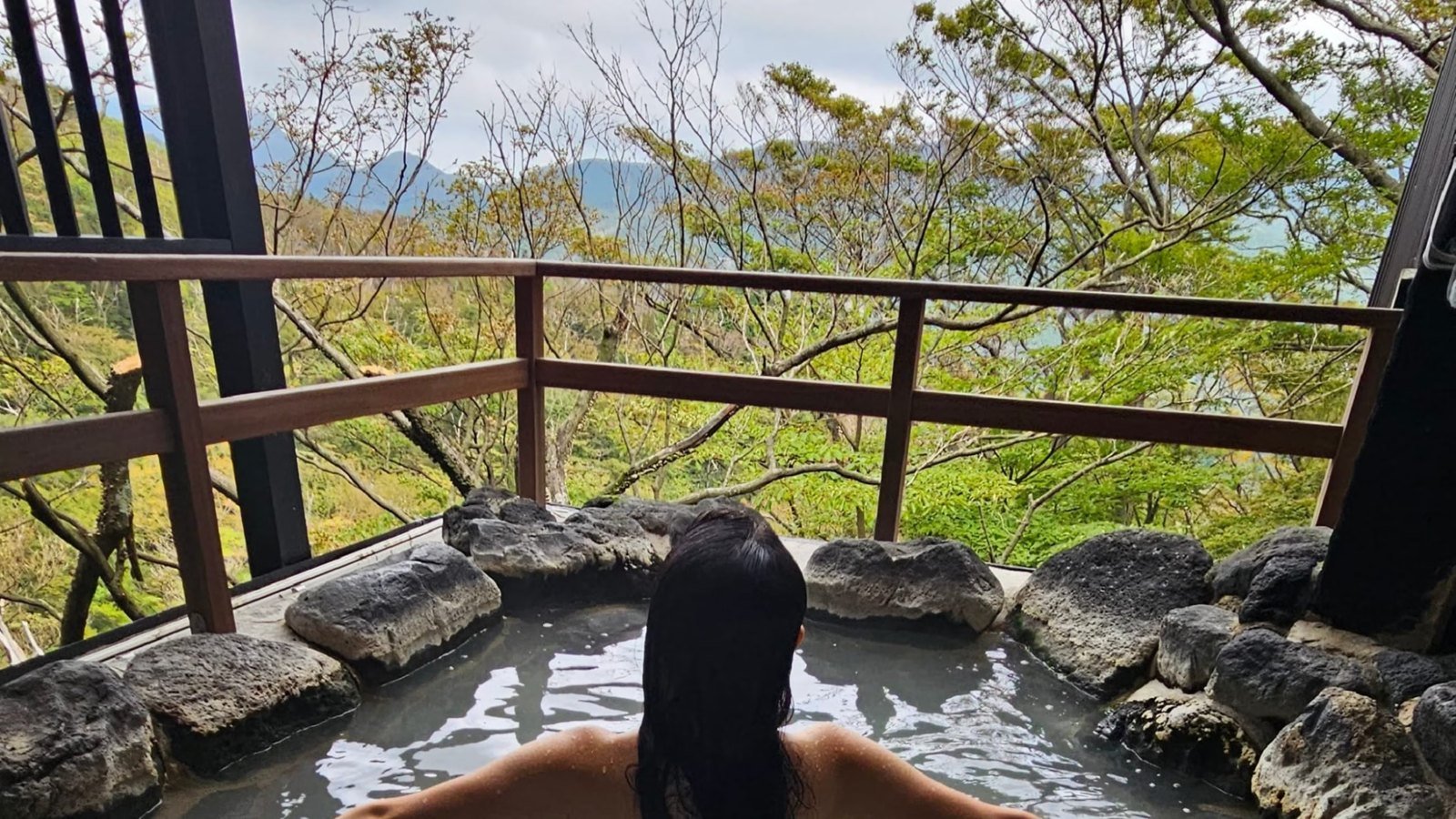

Japanese baths are one of the best things you can do on a budget, but the rules are strict. Wash your whole body at the shower stations before you get in. Go in naked, as swimsuits are not allowed. The small towel never goes into the bath, so fold it on your head like the locals, and tie up long hair.
For backpackers, the cheapest way in is the sento, the neighbourhood bathhouse. Mine was a tiny bathhouse around the corner in Koenji. No hot spring water, only normal hot water, yet on cold winter evenings nothing warmed me up better, and in Tokyo you pay just a few hundred yen to get in. If I have to choose, though, I prefer a real onsen in the mountains. A sento is a hot bath, an onsen feels like a trip.
7. Tattoos: check before you go
Tattoos are still a grey area in Japanese baths. Some places welcome them, some allow small tattoos covered with a sticker, and some refuse them completely. Living in Japan, I saw tattoos become much more visible, especially in the cities, but the bathhouse rules change slowly.
The practical approach: check the website or ask before you go, or book a private bath. Beppu is a good example: its old Takegawara Onsen lets tattooed guests in. Never try to sneak in. If staff ask you to leave, accept it politely, it is their house and their rule.
8. Always carry some cash
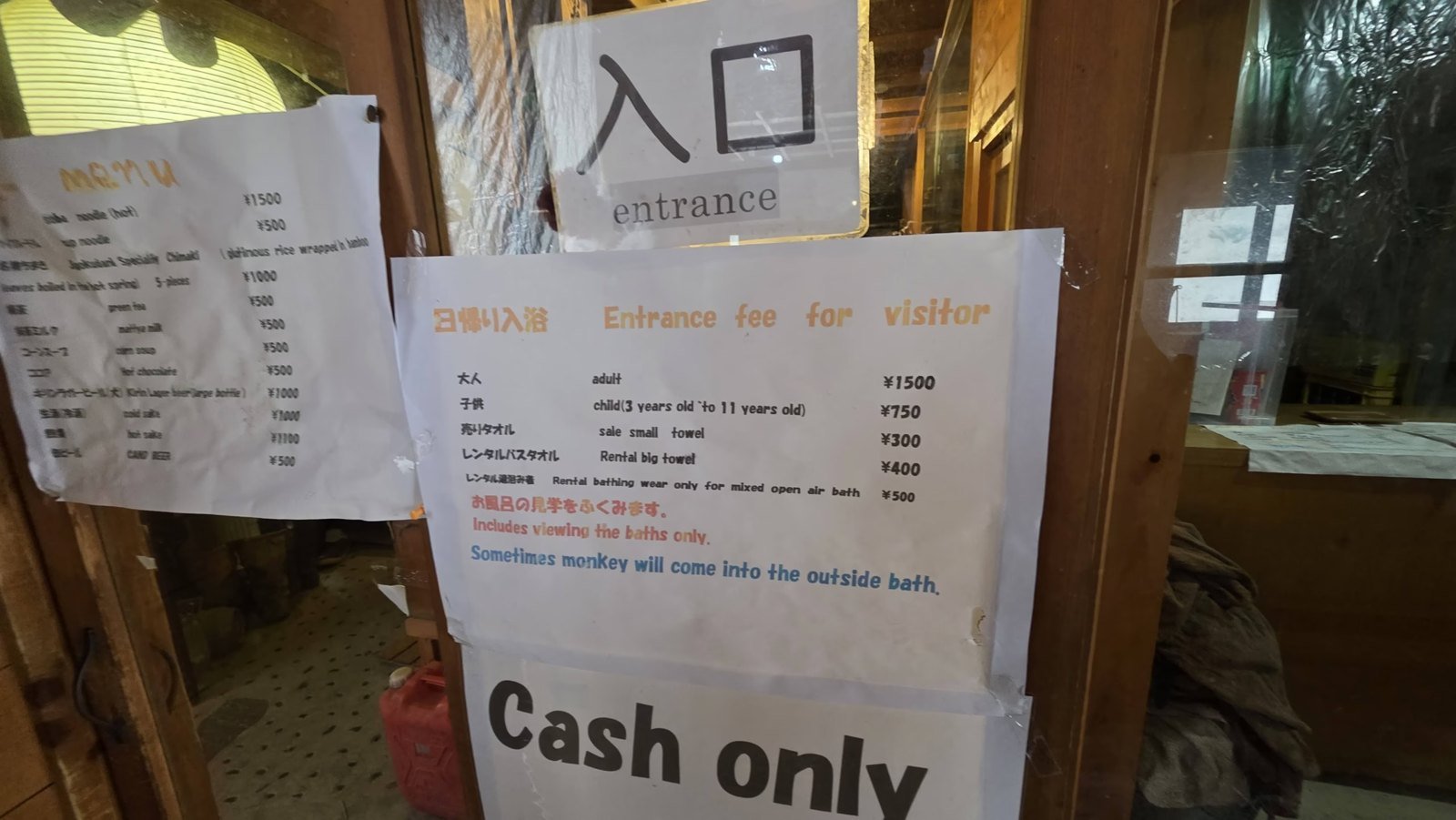

During my years in Tokyo I watched Japan move a long way from cash to cards and phone payments. In cities you can pay by card almost everywhere today. But small temples, local markets, older bathhouses, ticket machines and countryside guesthouses can still be cash only.
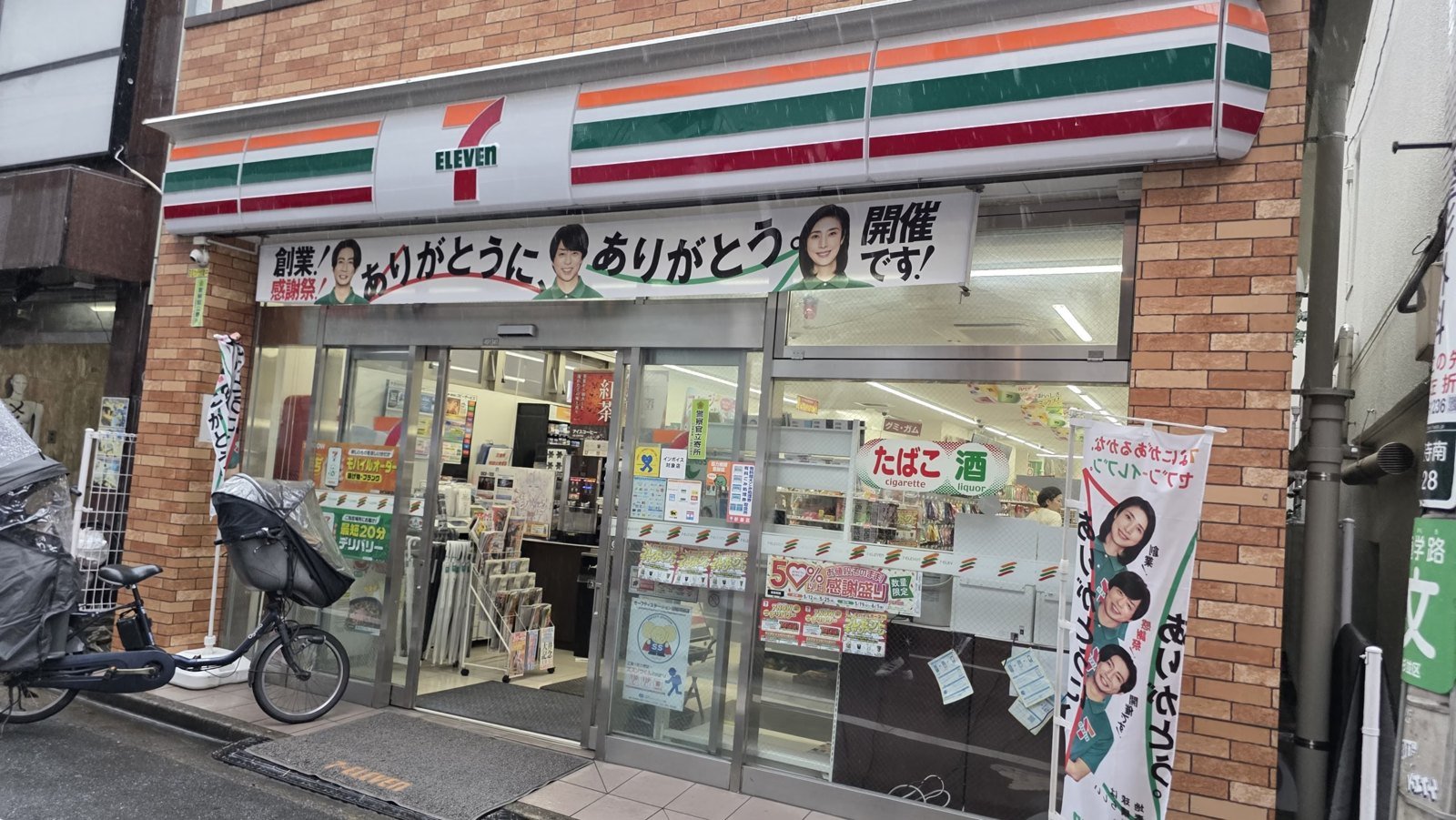
Keep a few thousand yen in your wallet at all times. Konbini ATMs, for example at 7-Eleven, accept most foreign cards, so you do not need to bring a pile of cash from home. At the till, place your cash or card in the little tray on the counter rather than handing it straight to the cashier.
9. Carry your rubbish

One of the first surprises for everyone: Japan has almost no public bins, and yet the streets are spotless. People simply carry their rubbish home. Bring a small bag in your backpack for wrappers and bottles.
You will find bins for bottles and cans next to vending machines, and most konbini have bins inside. Japan separates rubbish into burnable, plastic, cans and bottles, and the labels are usually clear. Related tip: eating while walking is not illegal, but many people avoid it. Eat at the stall or in front of the konbini where you bought your food, and the bin problem solves itself.
10. Follow the signs, even when nobody is watching
If there is one rule behind all the others, it is consideration. Queue where the lines are painted, stand on the left on escalators in Tokyo (on the right in Osaka), smoke only in the marked smoking areas and follow every sign, even at midnight on an empty street. Around the Shibuya scramble crossing, for example, open air drinking is banned every night.
Photos are part of this too. Do not photograph strangers up close, and look for “no photo” signs inside temples, shops and restaurants. Japan is a country where rules are taken seriously, and respecting them is the easiest way to be welcomed.
The short version
Be quiet on trains, take your shoes off when the floor goes up, wash before you bathe, keep cash and a rubbish bag in your backpack, and never tip. Learn three words: sumimasen, arigatou gozaimasu and onegaishimasu (please). With that mindset, small mistakes are forgiven, and you will notice that people go out of their way to help you.